Table of Contents
- Influenza in Malaysia: Symptoms, Causes, Treatment & Prevention
- Ini 8 Tanda Gejala Influenza Yang Perlu Anda Tahu, Terutama Ibu Dan Ayah
- آزمایش آنفولانزا دارای چند نوع بوده و چگونه انجام می شوند؟ - آنی آزما
- Pengalaman Demam Influenza A, Sakit & Perit Mengalahkan Kena Covid-19
- 34,742 Flu infographic Images, Stock Photos & Vectors | Shutterstock
- Common Flu Symptoms | Things Health
- Is your family in perpetual flu hell? Women may suffer from it more ...
- Upper Respiratory Tract Infections Dr Meral Sönmezoğlu Yeditepe ...
- 5 Penyakit yang Punya Gejala Mirip Flu, Awas Bisa Berbahaya!
- Mematikan, Kerap Disangka Flu Ini 7 Gejala Pneumonia - Lifestyle Fimela.com



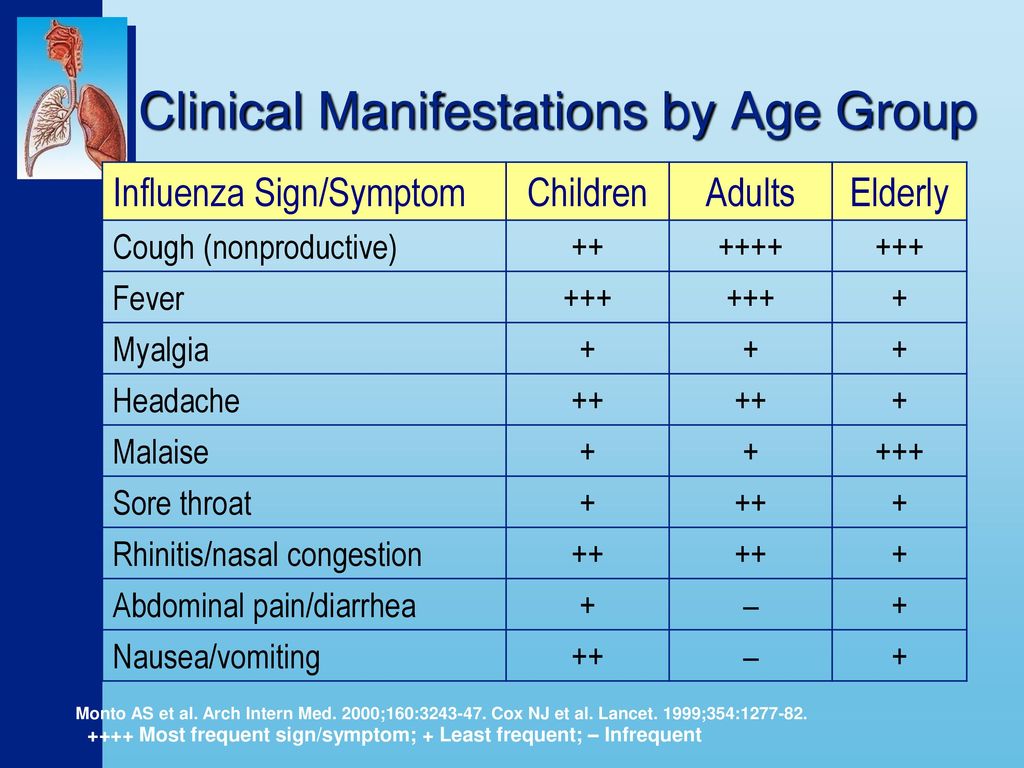
Common Flu Symptoms


:strip_icc():format(jpeg)/kly-media-production/medias/2894886/original/087411800_1566973450-FIMELA_Health-7_Gejala_pneumonia_square_IG_feed__1_.jpg)

Who is at High Risk of Developing Complications?
Certain groups of people are at higher risk of developing complications from the flu, including: Older adults (65 years and older) Young children (under 5 years) Pregnant women People with chronic medical conditions (such as heart disease, diabetes, or lung disease) People with weakened immune systems (such as those with HIV/AIDS or undergoing chemotherapy) If you belong to any of these groups and are experiencing flu symptoms, it's crucial to consult your doctor as soon as possible.
When to See Your Doctor
You should see your doctor if you're experiencing any of the following: Difficulty breathing or shortness of breath Chest pain or pressure Severe headache or confusion Fever above 103°F (39.4°C) Vomiting that lasts more than 2 days Signs of dehydration (such as excessive thirst, dark urine, or dizziness) Your doctor can assess your condition, provide guidance on managing your symptoms, and prescribe antiviral medication if necessary.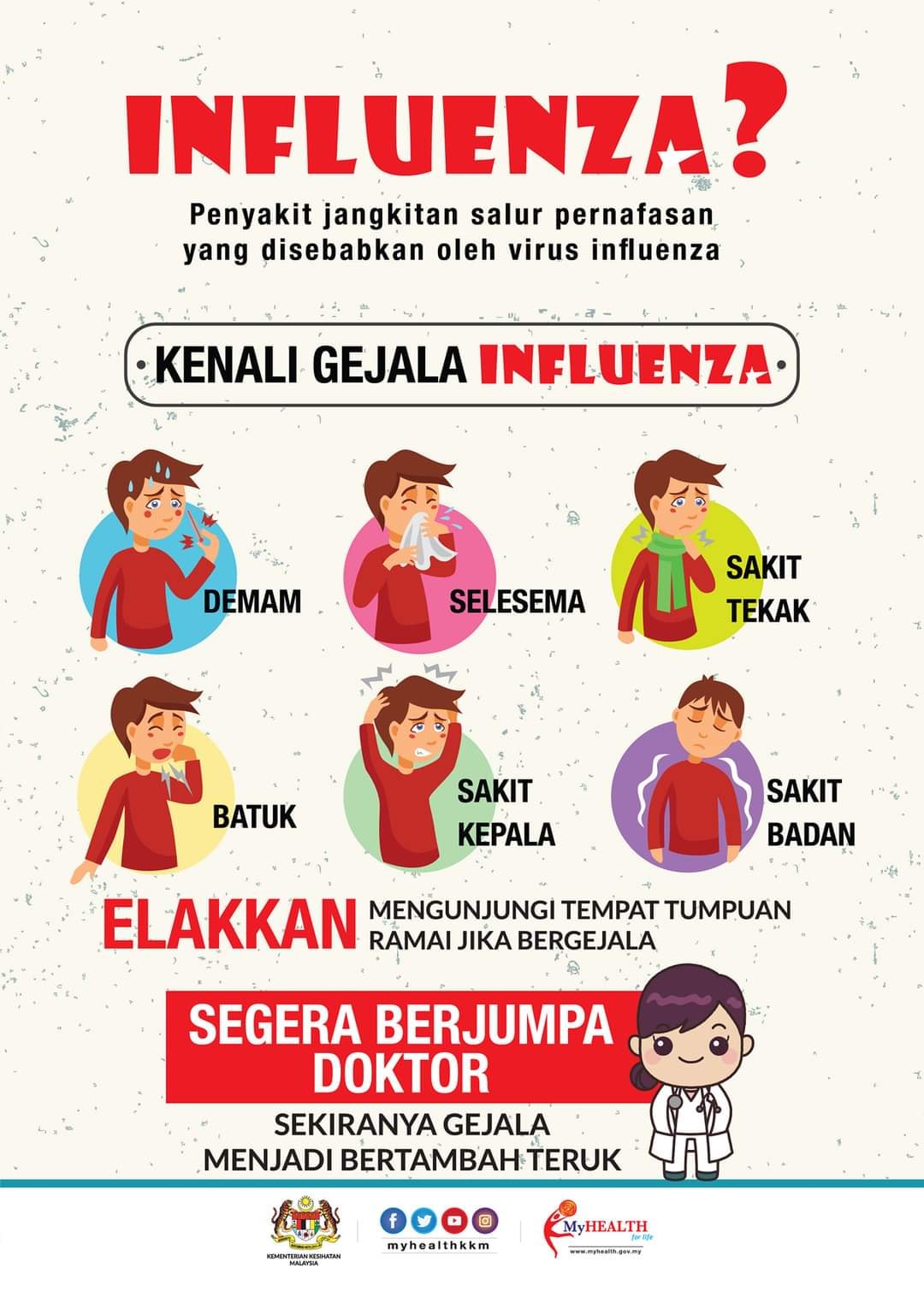
What to Expect at the Doctor's Office
When you visit your doctor, they will: Ask about your symptoms and medical history Perform a physical examination May order tests (such as a rapid flu test or chest X-ray) to confirm the diagnosis Provide guidance on managing your symptoms and preventing complications Prescribe antiviral medication if necessary By understanding flu symptoms and knowing when to seek medical attention, you can help prevent complications and ensure a speedy recovery. Remember to always consult your doctor if you're unsure about your symptoms or if you're at high risk of developing complications.For more information on flu symptoms and treatment, visit the Mayo Clinic website. Stay healthy and take care of yourself this flu season!
Note: The article is written in HTML format with headings, paragraphs, and links to improve SEO and readability. The word count is approximately 500 words.